
Floating Vanity: The Bathroom Design Trend That Deserves to Stay
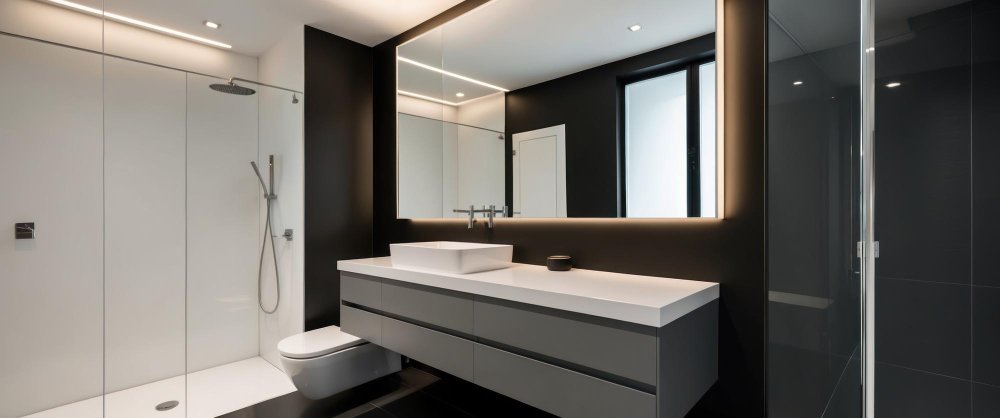
There are moments in design when a single element quietly changes everything. Not because it is extravagant or unconventional, but because it fundamentally reshapes how a space is experienced. The Floating Vanity is one of those rare innovations. What began as a contemporary alternative to traditional bathroom cabinetry has matured into one of the defining features of modern luxury interiors. Its appeal extends well beyond aesthetics. By lifting cabinetry above the floor, a floating vanity introduces openness, emphasizes architectural lines, and creates a remarkable sense of visual calm. Even modest bathrooms appear brighter and more expansive, while larger spaces gain an effortless sophistication that feels intentionally curated rather than overly decorated.The best bathroom designs no longer rely on adding more materials or decorative features. They succeed by removing visual weight, allowing proportion, light, and craftsmanship to become the true focal points.
“The most remarkable bathrooms aren’t filled with more features—they’re designed with greater intention.”That philosophy explains why floating vanities continue appearing in luxury residences, boutique hotels, and award-winning architectural projects around the world. They are not simply following a trend—they reflect a broader movement toward thoughtful, functional design that values both beauty and everyday comfort.
EDITOR’S NOTE
Minimalist interiors continue to influence luxury bathroom design, but today’s most successful spaces balance simplicity with warmth. Floating vanities achieve this balance by reducing visual clutter while showcasing premium materials such as natural wood, stone, and quartz.
Why Floating Vanities Changed Bathroom Design
Traditional vanities have long been designed as furniture resting firmly on the floor. While practical, they naturally divide the room into heavy visual blocks that can make even spacious bathrooms feel more confined than they actually are. The floating vanity challenges that convention. By exposing the flooring beneath the cabinetry, it creates uninterrupted sightlines that allow the room to breathe. The result is subtle yet transformative. The bathroom feels larger without adding a single square foot. Great design often creates the illusion of more space rather than requiring more of it.Design Insight
The visible floor beneath a floating vanity allows natural light to travel farther across the room, enhancing depth and giving the entire bathroom a lighter architectural presence.
This effect becomes even more dramatic when paired with large-format tile, frameless glass shower enclosures, and expansive mirrors. Instead of competing for attention, every element contributes to a unified composition where light, texture, and proportion work together seamlessly.
Floating vanities also encourage cleaner detailing. Wall-mounted faucets, integrated sinks, concealed hardware, and continuous countertop surfaces reinforce the streamlined appearance, allowing premium materials to become the primary visual statement.
“Luxury today is measured less by decoration and more by the confidence of restraint.”Perhaps most importantly, floating vanities adapt beautifully across design styles. In contemporary homes they reinforce crisp architectural geometry. In transitional interiors they soften traditional cabinetry with lighter proportions. Even classic bathrooms benefit from the visual openness they introduce without sacrificing warmth or character.
Where Style Meets Everyday Function
Exceptional design is never created for photographs alone. It succeeds because it improves daily life, often in ways homeowners only begin to appreciate after living with the space. A Floating Vanity exemplifies this philosophy. Beyond its elegant appearance, it offers practical advantages that make the bathroom feel more comfortable and easier to maintain.When cabinetry no longer dominates the floor, the room feels less confined. Cleaning becomes simpler, movement becomes more comfortable, and every design element gains additional visual importance.
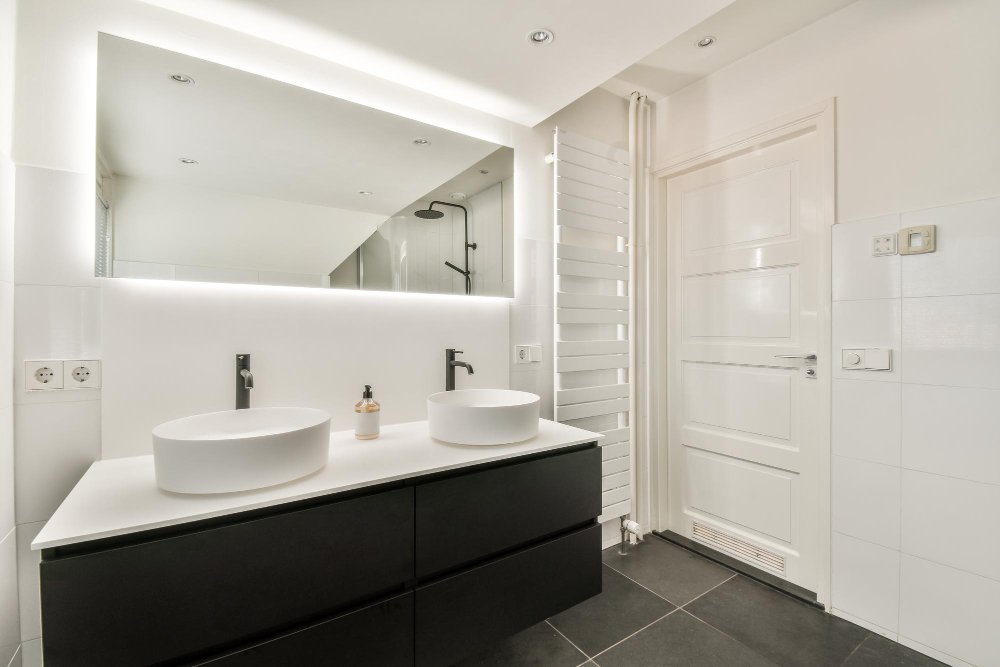
Wall-mounted cabinetry provides easier access beneath the vanity for routine cleaning while reducing the corners and recesses where dust and moisture typically accumulate. For busy households, this small improvement becomes a meaningful convenience over time. Lighting introduces another layer of refinement. Many designers now integrate subtle LED illumination beneath floating vanities, producing a gentle glow that emphasizes the floating effect while adding practical nighttime visibility. The result is less about dramatic lighting and more about creating atmosphere—soft, welcoming, and unmistakably luxurious.EDITOR’S NOTE
Integrated lighting beneath floating vanities has become one of the defining characteristics of premium bathroom design. It enhances architectural depth while providing functional illumination without visual distraction.
Material selection further shapes the experience. Warm walnut introduces richness and natural texture. White oak creates a calm Scandinavian influence. Matte lacquer finishes emphasize modern simplicity, while natural stone and engineered quartz countertops provide durability alongside timeless elegance.
The finest floating vanities are never selected in isolation. They are carefully coordinated with mirrors, lighting, flooring, hardware, and surrounding architectural details so the entire bathroom feels intentional from every angle.
“Beautiful bathrooms are not collections of expensive products—they are carefully composed environments where every detail supports the next.”
Designing a Floating Vanity That Lasts
Truly exceptional design is measured by more than its first impression. The bathrooms that continue to feel luxurious years after completion share one defining characteristic: every decision was made with longevity in mind. A Floating Vanity is no exception. Its visual lightness may capture attention immediately, but its lasting appeal depends on thoughtful planning, quality materials, and meticulous craftsmanship. One of the biggest misconceptions surrounding floating vanities is that they are selected purely for appearance. In reality, their success begins behind the finished walls. Proper structural reinforcement ensures the cabinetry remains secure over time, while precise installation allows drawers, countertops, and fixtures to perform flawlessly through years of daily use.A floating vanity should never appear as though it was added to the room. The finest installations feel as though the architecture itself was designed around it.
“The difference between fashionable design and timeless design is often invisible—it exists in the quality of the construction.”Material selection also deserves careful consideration. Solid wood veneers, moisture-resistant engineered cabinetry, premium hardware, and durable countertop surfaces such as quartz or natural stone allow the vanity to maintain both its appearance and functionality over time. These materials not only resist the challenges of a humid bathroom environment but also age with remarkable grace.
Design Insight
The most successful floating vanity designs balance visual simplicity with practical storage. Deep drawers, integrated organizers, and concealed hardware preserve the clean aesthetic while supporting everyday routines.
Scale plays an equally important role. A vanity that is too small can leave the room feeling unfinished, while one that dominates the wall undermines the openness that floating cabinetry is meant to create. Designers often approach sizing as an exercise in proportion rather than maximizing storage alone.
Lighting completes the composition. Oversized mirrors, carefully positioned sconces, and discreet LED illumination beneath the vanity reinforce the sense of depth that has made floating cabinetry one of the defining elements of contemporary bathroom architecture.
EDITOR’S NOTE
Today’s luxury bathrooms increasingly combine floating vanities with large-format porcelain tile, wall-mounted faucets, frameless glass shower enclosures, and minimalist hardware. The result is a space that feels cohesive rather than crowded.
The Future of Luxury Bathroom Design
Some design movements fade as quickly as they appear. Others gradually become part of the architectural vocabulary because they solve problems while enhancing everyday life. The Floating Vanity belongs firmly in the second category. Its continued popularity is not driven by novelty but by the way it transforms a bathroom’s atmosphere. By revealing more floor area, introducing cleaner lines, and emphasizing craftsmanship over ornamentation, it creates interiors that feel simultaneously contemporary and timeless. Luxury is no longer defined by excess. It is defined by clarity, balance, and materials chosen with lasting purpose.“The bathrooms people remember most are not necessarily the largest—they are the ones where every detail feels intentional.”As homeowners continue seeking spaces that combine comfort with understated elegance, floating vanities remain one of the most compelling investments in bathroom design. They support better organization, simplify maintenance, improve visual openness, and adapt beautifully to evolving interior styles without losing their relevance. The most successful remodels recognize that a vanity is more than cabinetry supporting a sink. It establishes the rhythm of the room, influences how light moves through the space, and shapes the daily experience of everyone who uses it. When paired with thoughtful lighting, premium finishes, and expert installation, a floating vanity becomes the architectural centerpiece around which the entire bathroom is composed. For homeowners planning a bathroom renovation, working with experienced professionals makes all the difference. GVD Renovations designs and installs custom floating vanities that combine exceptional craftsmanship, premium materials, and timeless design principles—creating bathrooms that remain elegant, functional, and inviting for years to come.