
“A roof isn’t simply installed on a building. It becomes part of the building’s future.”
The Decision to Build for the Future
The existing roof had served the property well for many years, but every inspection revealed the same story. Flashing had weathered naturally, rooftop equipment had been added over time, drainage required increasing attention, and localized repairs were becoming more common. None of these issues alone justified immediate concern, yet together they suggested the roof was approaching the point where replacement offered greater value than continuing to repair isolated areas. Before recommending a new roofing system, the project team carefully evaluated how the building actually functioned. The roof supported HVAC equipment, accommodated regular maintenance traffic, and protected valuable office spaces below. Every detail mattered because the new installation needed to perform not only on the day construction ended, but throughout years of changing weather and daily business activity. Material selection became an important part of the discussion, but it was never the only consideration. Drainage design, insulation performance, flashing details, and long-term maintenance planning received equal attention. A successful flat roof depends on how every component works together rather than on any single material alone. The strongest roofing systems are created through thoughtful planning long before construction crews arrive at the job site.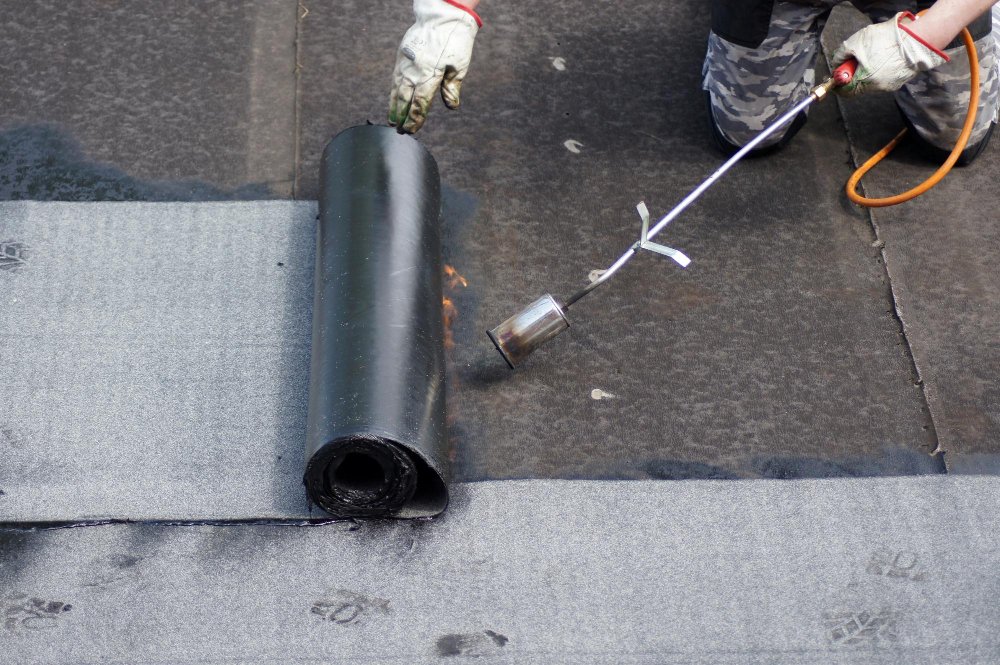
Every Layer Had a Purpose
As installation began, the project unfolded with careful precision. Existing roofing materials were removed where necessary, allowing the underlying structure to be thoroughly evaluated before new components were installed. Rather than rushing through the process, each stage built upon the quality of the previous one. Insulation was positioned to improve thermal performance while supporting efficient drainage across the roof surface. Flashing was carefully integrated around rooftop penetrations and mechanical equipment, creating continuous waterproof transitions where different building components met. Finally, the roofing membrane became the visible surface of a much larger system designed to resist water, temperature changes, and years of environmental exposure. Watching the project progress revealed something many property owners rarely have the opportunity to see. A commercial roof is not simply a single layer protecting the building. It is a carefully engineered assembly in which every detail contributes to long-term performance. When one component is overlooked, the entire system becomes more vulnerable. When every component is installed correctly, the roof performs quietly for years with very little attention. True craftsmanship often remains hidden beneath the finished surface, quietly supporting performance long after construction has been completed.“The quality of a roof isn’t measured by what you can see on installation day—it’s measured by how little you need to think about it afterward.”
The Day the Roof Began Protecting More Than the Building
When the final inspection was complete and the installation equipment left the site, the roof looked remarkably simple. From ground level, few people passing the building would have noticed anything unusual. Yet above the ceiling, an entirely new roofing system had been carefully engineered to manage water efficiently, improve energy performance, and protect every activity taking place below. The true value of the project became evident gradually rather than all at once. The first major rainfall arrived without concern. Water flowed exactly where the drainage system intended. Mechanical equipment continued operating normally, flashing remained secure around every rooftop penetration, and employees entered the building the following morning without giving the roof a second thought. Months later, seasonal inspections confirmed what the installation had been designed to achieve. The roofing system continued performing consistently despite changing temperatures and routine rooftop activity. Instead of responding to recurring maintenance issues, the property management team shifted its attention toward preventive inspections and long-term planning. For owners working with experienced Flat Roofing Specialists in Sacramento, this represents one of the greatest advantages of a professionally installed flat roof. The project does not simply solve today’s roofing concerns—it establishes a reliable foundation for future building performance. Every properly installed membrane seam, drainage component, insulation layer, and flashing detail contributes to years of dependable protection. The finest roofing projects quietly disappear into the life of the building, allowing businesses to focus on growth instead of unexpected repairs.“What began as a construction project ultimately became an investment in stability, confidence, and the uninterrupted future of the business.”