
Composite Decks

Composite Decks: Choosing the Right Material for a Modern Outdoor Space

Composite Decks have become one of the most popular alternatives to traditional wood decking. They offer a clean appearance, require less routine maintenance, and are available in a wide range of colors and finishes. Not every composite board performs the same, however. Material composition, protective capping, warranty coverage, and surface texture all influence how the deck will look and perform over time. Choosing the right product starts with understanding what matters most for your outdoor space.

Why Composite Decks Continue to Grow in Popularity

Many homeowners want an outdoor living area that looks beautiful without demanding constant upkeep. Composite decking addresses that need by combining durability with a consistent finished appearance. Unlike traditional wood, composite boards do not require regular staining or painting to maintain their color. Modern composite decking is also available in styles that closely resemble natural hardwood, making it suitable for both contemporary and traditional homes. Common reasons homeowners choose composite decks include:
  • Low maintenance.
  • Long-lasting color.
  • Resistance to splintering.
  • Improved moisture resistance.
  • Wide selection of colors and textures.
  • Compatible with modern outdoor designs.
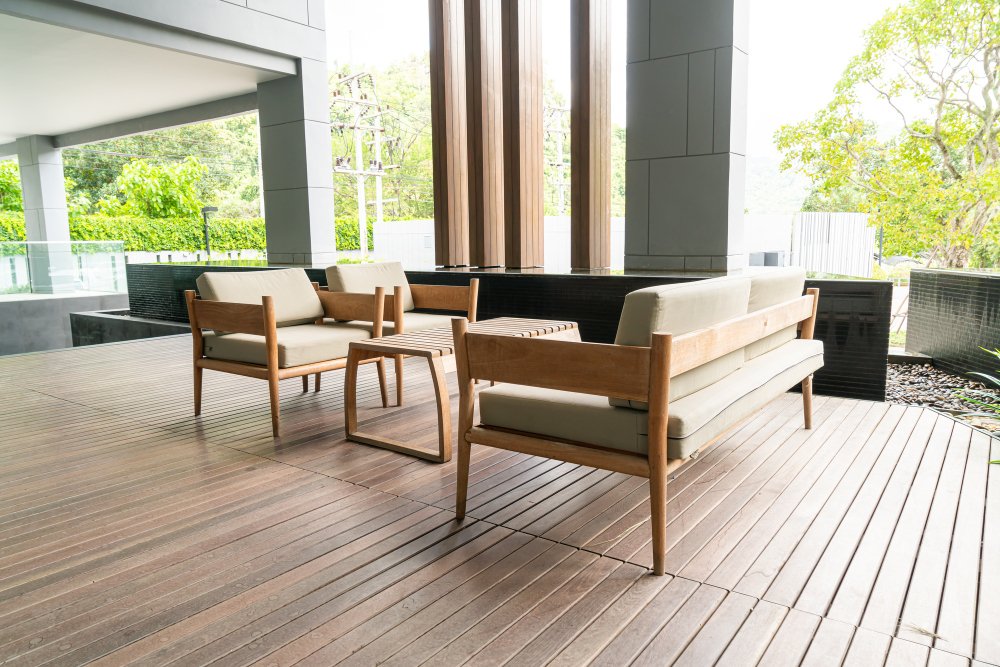
While composite decking generally costs more upfront than pressure-treated lumber, many homeowners value the reduced maintenance over the life of the deck.
Composite Decks

Comparing Today’s Composite Deck Options

Composite decking is available in several product categories. The differences often come down to performance rather than appearance. Some boards focus on affordability. Others prioritize premium finishes, stronger protective caps, or extended warranties. When comparing products, pay attention to:
  • Material composition.
  • Protective capping.
  • Fade resistance.
  • Scratch resistance.
  • Slip resistance.
  • Available colors.
  • Board profile.
  • Warranty length.
Capped composite decking has become especially popular because the protective outer layer helps shield the core from moisture, staining, and everyday wear. Surface texture also deserves careful consideration. Some products recreate the look of natural wood grain, while others offer smoother contemporary finishes. Your climate should influence the decision as well. Homes exposed to intense sunlight, heavy rainfall, or frequent snow may benefit from products specifically engineered for demanding weather conditions. Color selection has become much broader in recent years. Instead of choosing only between gray and brown, homeowners can now find warm cedar tones, weathered driftwood finishes, charcoal hues, rich walnut colors, and modern coastal-inspired palettes. Think about the entire outdoor environment rather than the decking alone.
  • Match the decking with exterior siding.
  • Coordinate railing colors.
  • Consider outdoor furniture.
  • Complement landscaping.
  • Balance the roof and trim colors.
The best composite deck is rarely determined by one feature. It is the product that balances appearance, durability, maintenance, and budget while fitting the overall design of the home.

How to Choose the Right Composite Deck

Selecting the right Composite Decks starts with understanding how the space will be used. A quiet backyard retreat has different priorities than a large entertainment area with heavy foot traffic. Before comparing colors or finishes, consider the practical requirements of the project. Ask yourself:
  • How much maintenance are you willing to perform?
  • Will the deck receive full sun or partial shade?
  • How much daily foot traffic do you expect?
  • Do you need extra slip resistance?
  • What style best matches your home’s exterior?
  • What is your long-term budget?
Color should be selected as part of the overall exterior design. A warm brown deck complements traditional homes and natural landscaping, while gray and charcoal finishes often create a cleaner, more contemporary appearance. Texture also matters. Deeper wood-grain patterns provide a natural look, while smoother surfaces support minimalist architecture. Don’t overlook railing systems, stairs, lighting, and fascia boards. These elements should work together to create a cohesive outdoor living space. Quality installation is just as important as material selection. Proper framing, spacing, fastening, and ventilation all contribute to the deck’s long-term performance.
  • Choose materials designed for your local climate.
  • Review warranty coverage before purchasing.
  • Coordinate decking with exterior finishes.
  • Consider future maintenance requirements.
  • Work with experienced installers.

A Better Outdoor Space Starts with the Right Material

The best Composite Decks combine durability, attractive design, and everyday practicality. Rather than focusing on a single feature, evaluate how each product fits your home’s style, your maintenance expectations, and the way you plan to use the space. Modern composite decking offers homeowners more design flexibility than ever before. With a wide range of colors, realistic wood textures, and low-maintenance finishes, it’s possible to create an outdoor area that remains beautiful season after season. Taking the time to compare products carefully—and investing in professional installation—can help ensure your new deck delivers lasting comfort, performance, and curb appeal. If you’re planning a new deck or upgrading an existing outdoor space, GVD Renovations can help you compare composite decking options, select materials that fit your home, and build an outdoor living area designed for years of enjoyment.
Previous Post