
Modern Kitchen Wall Tiles: Data-Driven Design Trends and Material Comparison
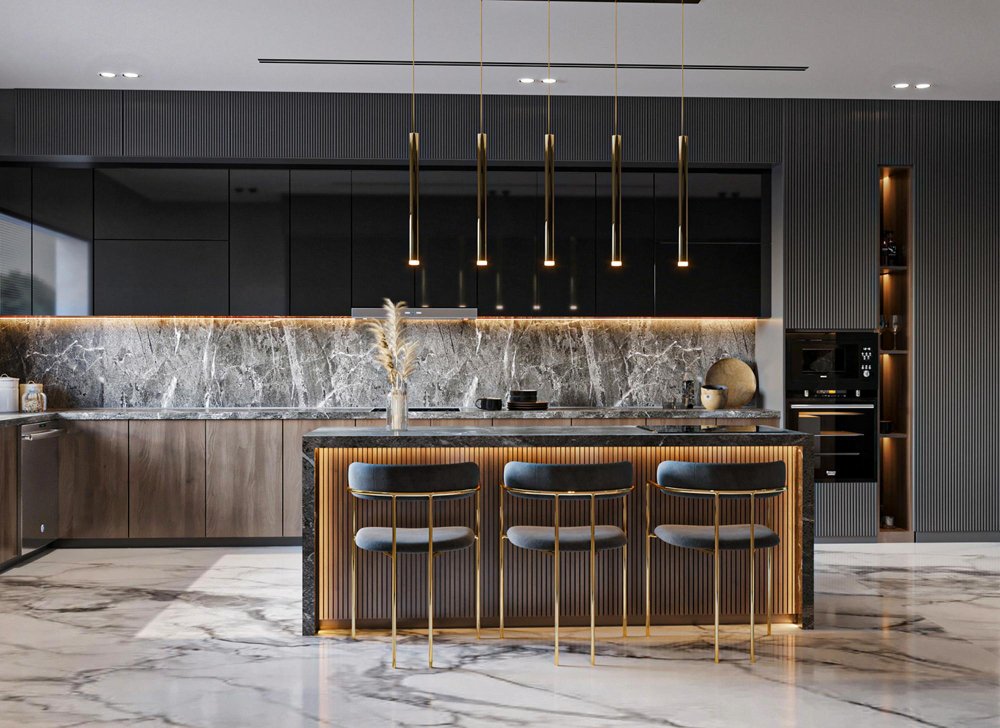
Modern Kitchen Wall Tiles do much more than protect walls from moisture and cooking splashes. They influence maintenance requirements, reflect natural and artificial light, define the overall style of the kitchen, and contribute to the long-term value of a remodeling project. Today’s market offers hundreds of tile options, including ceramic, porcelain, glass, natural stone, and large-format panels. While appearance often drives initial decisions, long-term performance depends on factors such as water absorption, stain resistance, durability, maintenance needs, and installation complexity. This guide compares the most popular wall tile materials using measurable performance characteristics rather than design trends alone. By examining durability, maintenance, installation considerations, and long-term value, homeowners can make more informed remodeling decisions.Why Modern Kitchen Wall Tiles Matter
Kitchen walls are exposed to steam, grease, food splashes, temperature changes, and frequent cleaning. Selecting the right wall tile helps protect these surfaces while reducing maintenance and preserving the appearance of the kitchen over many years. Unlike painted drywall, properly installed tile provides a durable barrier that resists moisture and is easier to clean. The choice of material also affects grout maintenance, stain resistance, and overall longevity.FACT
Modern kitchen remodeling trends also show a growing preference for full-height backsplashes that extend from the countertop to the upper cabinets—or even to the ceiling. Besides creating a striking visual effect, these installations protect a larger wall surface from moisture and cooking residue.
Another important consideration is lighting. Glossy surfaces reflect both natural daylight and under-cabinet lighting, making smaller kitchens appear brighter. Matte finishes reduce glare and create a softer, contemporary appearance.
- • Porcelain tile has one of the lowest water absorption rates among common residential tile materials, making it highly resistant to moisture in kitchen environments.
- • Large-format wall tiles reduce the number of grout joints, which can simplify routine cleaning and create a more seamless appearance.
| Performance Factor | Why It Matters | Impact on Daily Use |
|---|---|---|
| Water Resistance | Protects walls from moisture | Higher durability |
| Cleanability | Removes grease and food residue easily | Lower maintenance |
| Stain Resistance | Helps preserve appearance | Long-lasting finish |
| Light Reflection | Influences room brightness | Improved visual openness |
| Design Flexibility | Coordinates with cabinets and countertops | Easier future updates |
Statistical Summary
- ✓ Moisture resistance remains one of the most important performance characteristics for kitchen wall tiles.
- ✓ Larger tiles generally reduce grout maintenance compared to smaller formats.
- ✓ Neutral finishes continue to offer the greatest flexibility when updating cabinets, countertops, or hardware in the future.
Comparing Today’s Most Popular Tile Materials
Each wall tile material offers a different balance of durability, maintenance, appearance, and installation requirements. Rather than focusing only on aesthetics, it is helpful to compare how these materials perform throughout years of everyday kitchen use.Porcelain Tile
Porcelain is widely regarded as one of the most durable wall tile materials available. Its dense composition provides excellent moisture resistance and makes it suitable for busy kitchens where frequent cleaning is expected.Ceramic Tile
Ceramic remains one of the most common choices because it combines attractive pricing with a wide variety of colors, textures, and patterns. It performs well in most residential kitchens while remaining relatively easy to install.Glass Tile
Glass tile reflects light exceptionally well and creates a bright, contemporary appearance. It is commonly used for backsplashes and decorative accent areas where visual impact is a priority.Natural Stone
Materials such as marble, travertine, limestone, and slate provide unique natural variation that cannot be replicated exactly by manufactured products. However, many natural stones require periodic sealing and more careful maintenance than ceramic or porcelain.| Material | Water Resistance | Durability | Maintenance | Typical Design Style |
|---|---|---|---|---|
| Porcelain | Excellent | Excellent | Low | Modern, Transitional |
| Ceramic | Very Good | Very Good | Low | Traditional, Contemporary |
| Glass | Excellent | Good | Low | Modern |
| Natural Stone | Good | Very Good | Moderate to High | Luxury, Rustic, Transitional |
FACT
- • Natural stone offers unique color variation because each piece is formed naturally, meaning no two installations are exactly alike.
- • Porcelain is commonly selected for projects where long-term durability and low maintenance are primary priorities.
| Tile Type | Cleaning Difficulty | Moisture Resistance | Maintenance Level | Best Application |
|---|---|---|---|---|
| Porcelain | Easy | Excellent | Low | Full-height walls & backsplashes |
| Ceramic | Easy | Very Good | Low | General kitchen walls |
| Glass | Easy | Excellent | Low | Decorative backsplashes |
| Natural Stone | Moderate | Good | Moderate | Luxury feature walls |
Statistical Summary
- ✓ Porcelain offers one of the strongest combinations of durability, moisture resistance, and low maintenance.
- ✓ Ceramic provides excellent overall value for many residential kitchens.
- ✓ Glass maximizes brightness and visual depth.
- ✓ Natural stone delivers unique luxury aesthetics but generally requires more ongoing care.
Modern Color, Pattern, and Layout Trends
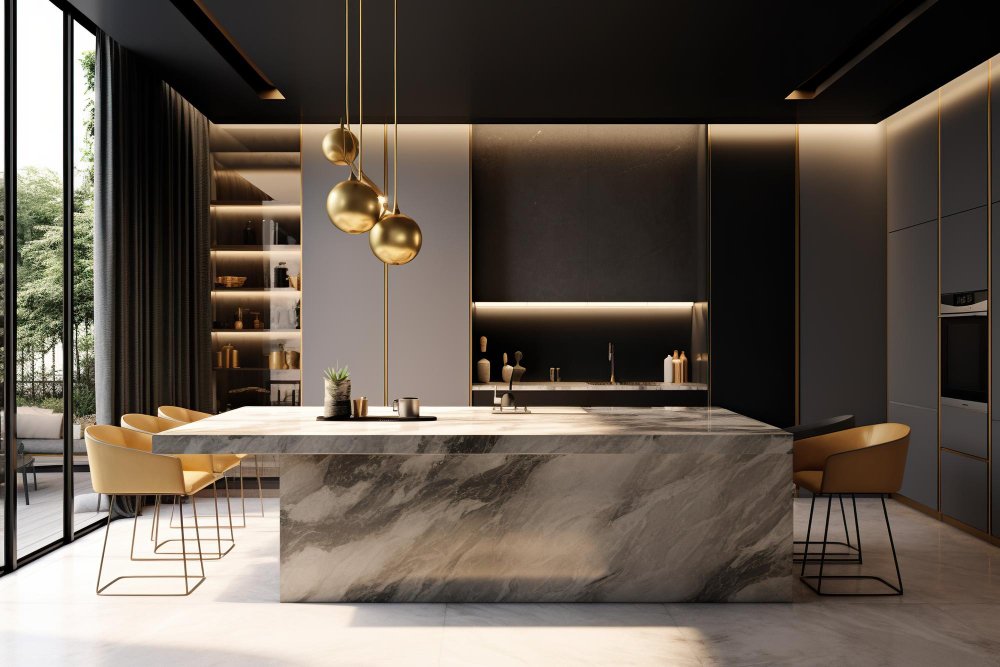
Material selection is only one part of designing with Modern Kitchen Wall Tiles. Color, surface finish, tile size, and installation pattern all influence how spacious, bright, and contemporary a kitchen appears. Recent remodeling trends increasingly favor clean lines, minimal grout joints, and neutral color palettes that remain attractive even as cabinet and countertop styles evolve. One noticeable shift is the growing popularity of large-format wall tiles. Compared to smaller tiles, larger pieces create a smoother visual flow by reducing grout lines. This not only simplifies cleaning but also gives the backsplash a more seamless appearance.FACT
Tile layout also affects the overall design. A classic horizontal subway pattern remains a timeless favorite, while vertical installations, stacked layouts, and oversized rectangular tiles have become increasingly popular in contemporary kitchens.
- • Large-format tiles create fewer grout joints, making routine maintenance easier.
- • Neutral shades such as white, gray, beige, and greige continue to dominate modern kitchen renovations because they coordinate well with a wide variety of cabinetry and countertop materials.
| Tile Style | Visual Effect | Best For |
|---|---|---|
| Horizontal Subway | Classic and balanced | Traditional and transitional kitchens |
| Vertical Subway | Creates visual height | Contemporary spaces |
| Stacked Layout | Clean and minimalist | Modern kitchens |
| Large-Format Tile | Seamless appearance | Open-concept kitchens |
| Herringbone Pattern | Decorative focal point | Accent walls and backsplashes |
Statistical Summary
- ✓ Large-format tiles simplify maintenance by reducing grout lines.
- ✓ Neutral colors provide the greatest long-term design flexibility.
- ✓ Vertical layouts continue to gain popularity in contemporary remodeling projects.
Cost vs. Long-Term Value
Initial material cost represents only part of a tile investment. Long-term value depends on durability, maintenance requirements, expected lifespan, and the ability of the design to remain attractive over many years. Less expensive materials may reduce upfront expenses but could require more frequent replacement if they become damaged or no longer match future design updates. Premium materials often cost more initially but can provide decades of reliable performance when properly installed.| Tile Material | Initial Cost | Expected Durability | Long-Term Value |
|---|---|---|---|
| Ceramic | Low to Moderate | Very Good | Excellent |
| Porcelain | Moderate | Excellent | Excellent |
| Glass | Moderate to High | Good | Very Good |
| Natural Stone | High | Very Good | Excellent with proper maintenance |
FACT
- • Proper substrate preparation is one of the most important factors influencing tile longevity.
- • High-quality grout and sealants help maintain the appearance of both tile and surrounding finishes.
How to Choose the Right Kitchen Wall Tile
Rather than selecting tile based solely on appearance, evaluate how each option supports your daily routine, maintenance preferences, and long-term remodeling goals.| Priority | Recommended Choice |
|---|---|
| Lowest Maintenance | Porcelain |
| Budget-Friendly Remodeling | Ceramic |
| Maximum Light Reflection | Glass |
| Luxury Appearance | Natural Stone |
| Contemporary Design | Large-format Porcelain |
- Will the tile complement your cabinets and countertops for many years?
- How much routine maintenance are you comfortable performing?
- Does the finish suit the amount of natural light in the room?
- Will the grout color remain attractive with regular kitchen use?
- Does the chosen material fit both your budget and long-term expectations?
Statistical Summary
- ✓ Porcelain provides one of the strongest overall performance profiles.
- ✓ Ceramic offers an excellent balance between affordability and durability.
- ✓ Large-format installations continue to gain popularity for both aesthetics and easier maintenance.
- ✓ Neutral color palettes remain among the most adaptable choices for long-term kitchen design.