
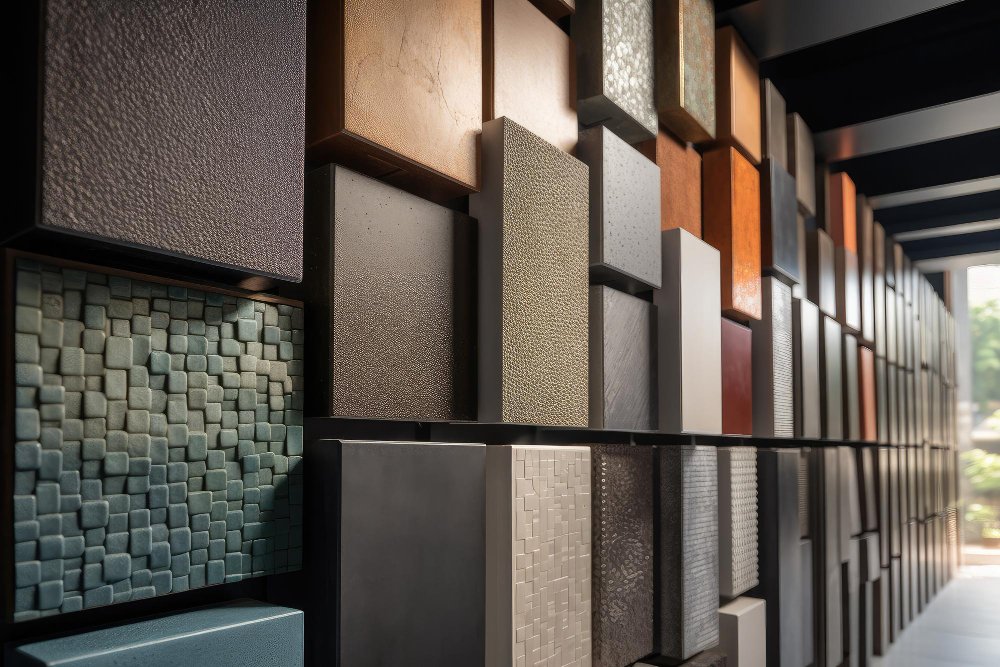
Why Wall Material Selection Matters in Interior Renovations
Wall materials play a major role in the durability, appearance, insulation performance, maintenance requirements, and overall atmosphere of modern interior renovations. Walls are no longer viewed simply as structural surfaces. In contemporary remodeling projects, they function as architectural design elements that contribute texture, sound control, moisture resistance, and visual character throughout the home.
The best wall materials combine long-term durability with aesthetic flexibility while supporting the specific functional demands of each room. Kitchens, bathrooms, living rooms, basements, and home offices often require different wall solutions depending on moisture exposure, traffic levels, acoustic needs, and design style.
Drywall: The Most Common Interior Wall Material
Drywall remains the standard wall material in most residential renovations because it is affordable, versatile, and relatively easy to install.
Advantages of Drywall
- Cost-effective installation
- Smooth paint-ready surfaces
- Easy repair and finishing
- Wide compatibility with interior styles
Modern drywall systems also include moisture-resistant and sound-resistant variations for specialized applications.
Moisture-Resistant Drywall: Better for Wet Areas
Bathrooms, laundry rooms, and basements often require enhanced moisture protection compared to standard interior spaces.
Benefits of Moisture-Resistant Drywall
- Improved humidity resistance
- Reduced mold growth risk
- Better durability in damp environments
- Longer-lasting wall performance
Moisture-resistant drywall is commonly used behind tile installations and in high-humidity renovation projects.
Wood Wall Panels: Warm and Architectural
Wood wall panel systems add natural warmth, texture, and architectural detail to modern homes.
Popular Wood Wall Applications
- Accent feature walls
- Living room paneling
- Dining room textures
- Ceiling-to-wall transitions
Natural wood finishes work especially well in modern organic, farmhouse, Scandinavian, and luxury interior designs.
Shiplap Walls: Timeless and Versatile
Shiplap continues to be a popular wall treatment because it provides subtle texture and clean horizontal lines without overwhelming the room.
Advantages of Shiplap Installations
- Classic architectural appearance
- Visual depth and texture
- Compatibility with many design styles
- Durable painted finishes
Shiplap is commonly used in entryways, bathrooms, bedrooms, and accent walls.
Tile Walls: Durable and Moisture Resistant
Tile wall systems provide excellent durability and water resistance in kitchens, bathrooms, mudrooms, and laundry spaces.
Benefits of Tile Wall Materials
- Easy-to-clean surfaces
- Excellent moisture protection
- High durability
- Wide variety of textures and patterns
Large-format porcelain tiles are especially popular in contemporary luxury renovations because they create sleek and seamless wall surfaces.
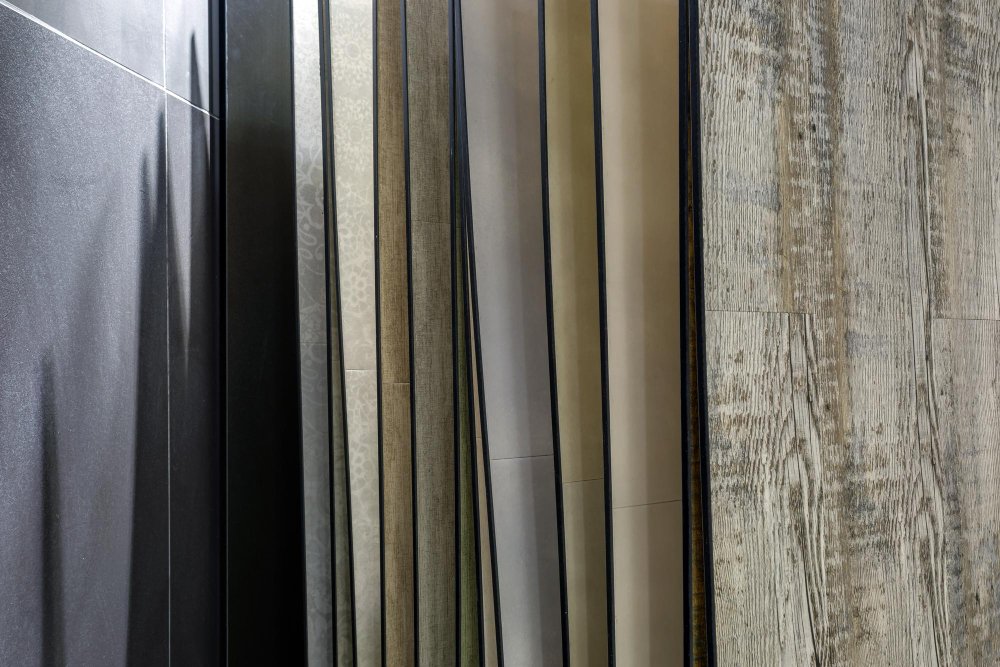
Decorative Wall Panels: Modern and Low Maintenance
Decorative panel systems have become increasingly common in modern renovations because they offer fast installation and strong visual impact.
Popular Decorative Wall Panel Options
- PVC wall panels
- Acoustic slat panels
- Textured composite systems
- Three-dimensional wall panels
Decorative panels help create architectural focal points while reducing the need for extensive finishing work.
Brick Veneer Walls: Industrial and Rustic Appeal
Brick veneer walls add texture, warmth, and industrial character to modern interiors.
Advantages of Brick Veneer
- Timeless architectural texture
- Durable wall protection
- Strong visual depth
- Compatibility with loft-style interiors
Brick veneer accent walls are especially common in urban-inspired and transitional renovation styles.
Concrete Wall Finishes: Minimalist and Contemporary
Concrete-inspired wall finishes create clean industrial aesthetics that work well in modern luxury homes.
Popular Concrete Wall Applications
- Microcement wall coatings
- Polished concrete surfaces
- Textured cement plaster finishes
- Contemporary fireplace surrounds
Concrete wall treatments pair especially well with minimalist and modern architectural interiors.
Acoustic Wall Materials Improve Comfort
Open-concept homes and entertainment spaces often benefit from wall materials that improve sound absorption and reduce echo.
Popular Acoustic Wall Solutions
- Fabric-wrapped panels
- Wood slat acoustic systems
- Acoustic drywall assemblies
- Sound-absorbing wall coverings
Acoustic wall systems help improve comfort and speech clarity in large living spaces.
Wall Materials Should Match Room Functionality
Different rooms place different demands on wall durability, maintenance, and moisture resistance.
Important Material Selection Factors
- Moisture exposure levels
- Cleaning requirements
- Impact resistance needs
- Acoustic performance goals
- Design style compatibility
Choosing wall materials based on room functionality improves both long-term durability and renovation performance.
Professional Installation Improves Long-Term Results
Wall systems often require specialized installation techniques to ensure structural stability and clean visual finishes.
Important Installation Considerations
- Proper wall framing preparation
- Moisture barrier installation
- Accurate panel alignment
- Professional surface finishing
Professional craftsmanship helps ensure durable, visually balanced, and long-lasting wall installations.
Final Thoughts on Modern Interior Wall Materials
The best wall materials for modern interior renovations combine durability, functionality, moisture resistance, acoustic comfort, and visual appeal. Drywall, wood paneling, tile systems, decorative panels, brick veneer, concrete finishes, and acoustic wall treatments each provide unique benefits depending on the goals of the renovation.
By selecting wall materials that align with room function and overall design style, homeowners can create interiors that remain attractive, comfortable, and durable for many years.